
Environmental Groups Sue Wisconsin DNR Over Approval of Massive AI Data Center
By Emeil Marks, President
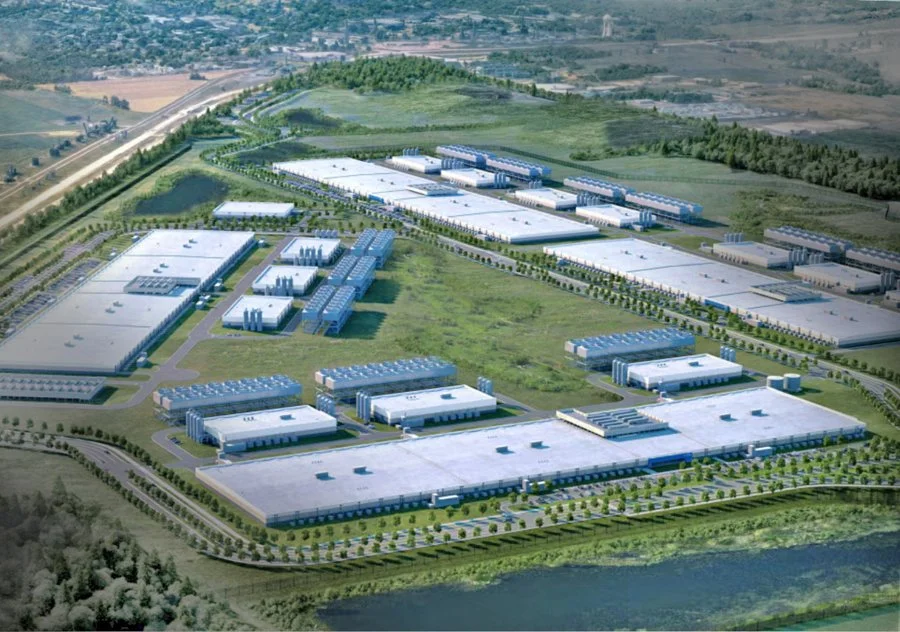
Environmental advocates have filed a lawsuit challenging the Wisconsin Department of Natural Resources' (DNR) approval of permits for a massive artificial intelligence data center campus in Port Washington, arguing the agency unlawfully bypassed the comprehensive environmental review required by state law.
The lawsuit, filed by Midwest Environmental Advocates (MEA) on behalf of Sierra Club Wisconsin, alleges the DNR reversed its initial determination that the project required a full Environmental Impact Statement (EIS) after developers objected to the process.
According to emails obtained through a public records request, DNR staff originally informed representatives of the data center project that the size and scope of the development warranted a detailed environmental review. However, after project representatives reportedly warned that requiring an EIS would "kill the project," the agency changed course and instead completed a more limited environmental analysis summary. The DNR has never publicly explained why it abandoned the more rigorous review.
"The Port Washington data center is unlike anything Wisconsin has seen before," said Elizabeth Ward, director of Sierra Club Wisconsin. "It will completely transform the local landscape, consume staggering amounts of electricity and water, and significantly increase fossil fuel emissions. At a time when scientists warn that greenhouse gas emissions must be reduced to avoid the worst impacts of climate change, we cannot afford to be making long-term decisions that move us in exactly the opposite direction."
The Port Washington facility is being developed by Vantage Data Centers in partnership with Oracle and OpenAI as part of a broader expansion of computing infrastructure needed to support artificial intelligence technologies. Valued at approximately $15 billion, the development is among the first hyperscale AI data center campuses under construction in Wisconsin.
The project's first phase alone is expected to require 1.3 gigawatts of electricity—enough to power more than 500,000 homes. The campus will occupy approximately 672 acres, with its enormous energy demand driving construction of new natural gas generation facilities, electrical substations, and high-voltage transmission lines extending across multiple Wisconsin counties.
Why Door County Residents Should Pay Attention
Although the data center is located in Ozaukee County, its effects are expected to extend far beyond southeastern Wisconsin. Door County, which sits at the northern end of the state's electric transmission system, depends on the same regional power grid that will be called upon to meet the unprecedented demands of hyperscale data centers.
As electricity demand rises statewide, utilities are expected to invest billions of dollars in new generation and transmission infrastructure. Those costs are typically spread across ratepayers throughout Wisconsin, meaning households and businesses in Door County could ultimately help finance infrastructure built primarily to serve large industrial customers.
Door County also has a long history of balancing economic development with protection of its natural resources, tourism economy, and scenic landscapes. Environmental advocates argue that decisions allowing major industrial projects to proceed without comprehensive environmental review establish precedents that could affect future energy and infrastructure projects across the state—including transmission corridors and utility investments that may reach northeastern Wisconsin.
The Wisconsin Public Service Commission recently projected that three large data center developments, including Port Washington, will increase statewide electricity demand by approximately 40 percent over the next six years. Meeting that demand is expected to require significant investments in natural gas generation, while also expanding Wisconsin's high-voltage transmission network.
For communities like Door County, those decisions could translate into higher electric bills, increased pressure for additional transmission infrastructure, and slower progress toward Wisconsin's clean-energy goals.
MEA attorney Michael Greif said the lawsuit seeks greater transparency and accountability from state regulators.
"This case is about transparency and accountability," Greif said. "Wisconsinites have a right to know why the state changed course and why one of the largest development projects in Wisconsin history is moving forward without the level of environmental review and public input the law requires."
Earlier this year, Sierra Club Wisconsin and MEA submitted comments urging the DNR to conduct a full Environmental Impact Statement examining the project's direct, indirect, and cumulative environmental effects. The organizations argued that public information released by developers emphasizes renewable energy while largely omitting the fossil fuel infrastructure required to support the facility's unprecedented power demands.
Among the projects cited is the proposed Foundry Ridge natural gas plant in Walworth County, which environmental groups say will help supply electricity to the Port Washington campus despite receiving little attention in the project's public materials.
A recent report from the Wisconsin Public Service Commission identified the Port Washington development as one of three major data center projects expected to drive a 40 percent increase in Wisconsin's statewide electricity demand over the next six years. According to the report, most of that additional demand is projected to be met through new natural gas plants or expansions of existing gas-fired facilities.
Greif said the environmental review process exists specifically to evaluate projects of this magnitude and ensure the public understands their broader consequences.
"Environmental review is about transparency as much as it is about science," he said. "When data center developers aren't forthright with the public and regulators aren't willing to hold them accountable, it's difficult to understand the true environmental impact of a single project, much less the combined impact of multiple hyperscale data centers. The EIS process exists for moments exactly like this. It requires government agencies to step back, examine the whole picture, and explain its decisions. Instead, regulators abandoned environmental review without ever telling the public why."
The lawsuit asks the court to require the DNR to comply with Wisconsin's environmental review requirements before allowing the project to proceed under the current permits.
For Door County residents, the case is about more than a data center 150 miles away. It raises broader questions about who bears the environmental and financial costs of Wisconsin's rapidly expanding AI economy, whether state agencies are providing meaningful public oversight, and how decisions made today could shape the state's energy landscape—and electric bills—for decades to come.
Source: